
Specialist care for women with lipedema
At DIE LIPOPRAXIS, women with lipedema find expert medical care - with the time, experience, and ongoing support that reaches far beyond the operation itself.
Specialist in Plastic & Aesthetic Surgery
Personally treated by Roschan D. Loghmanieh
Specializing in aesthetic lipedema surgery
Worth knowing
Weight loss can have a positive impact on your overall situation; however, lipedema fat tissue itself typically responds only minimally to diet or exercise.
If you notice no improvement in the affected areas despite consistent lifestyle changes, you may be dealing with lipedema – not a lack of willpower.
Step 1
What is lipedema?
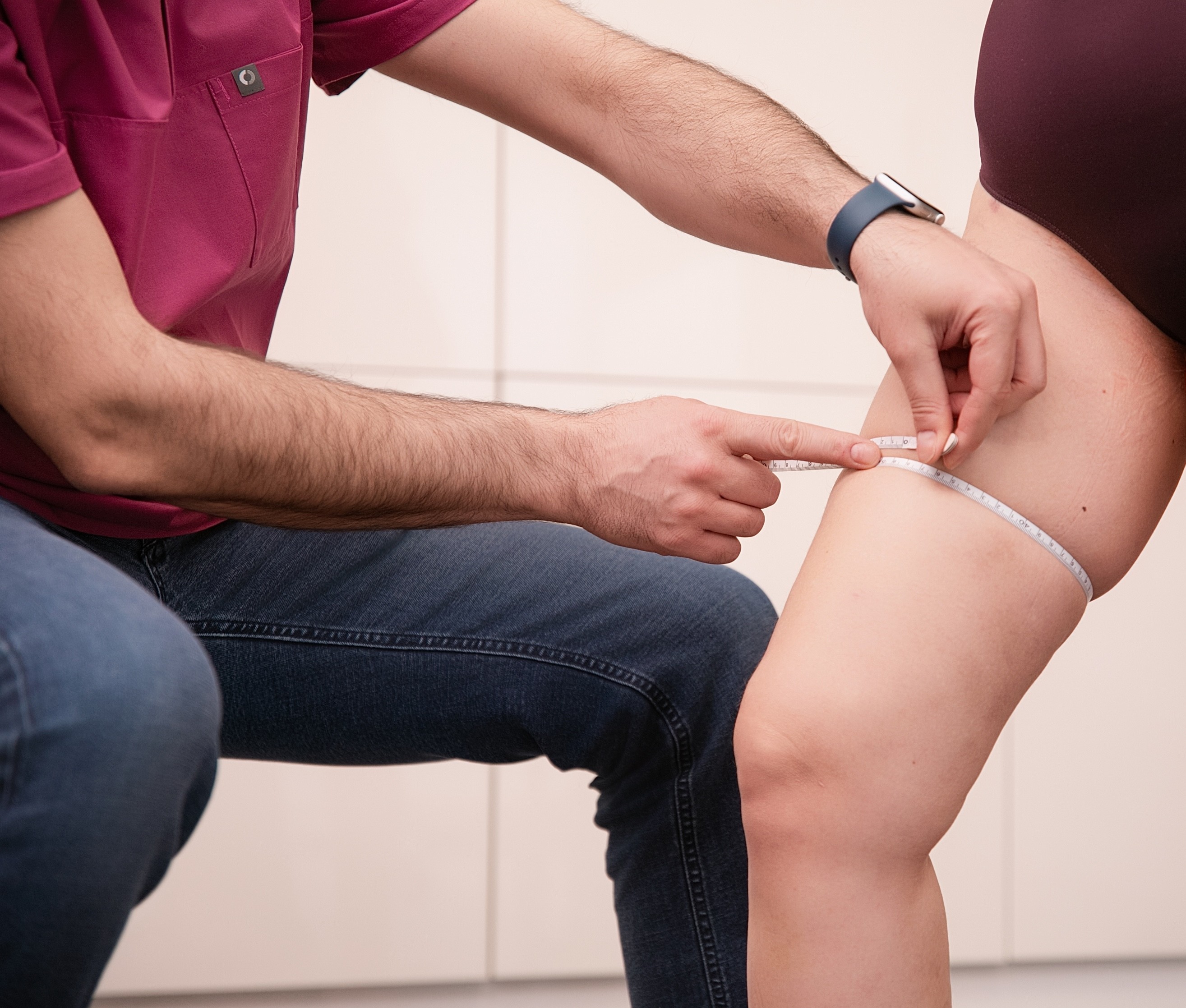
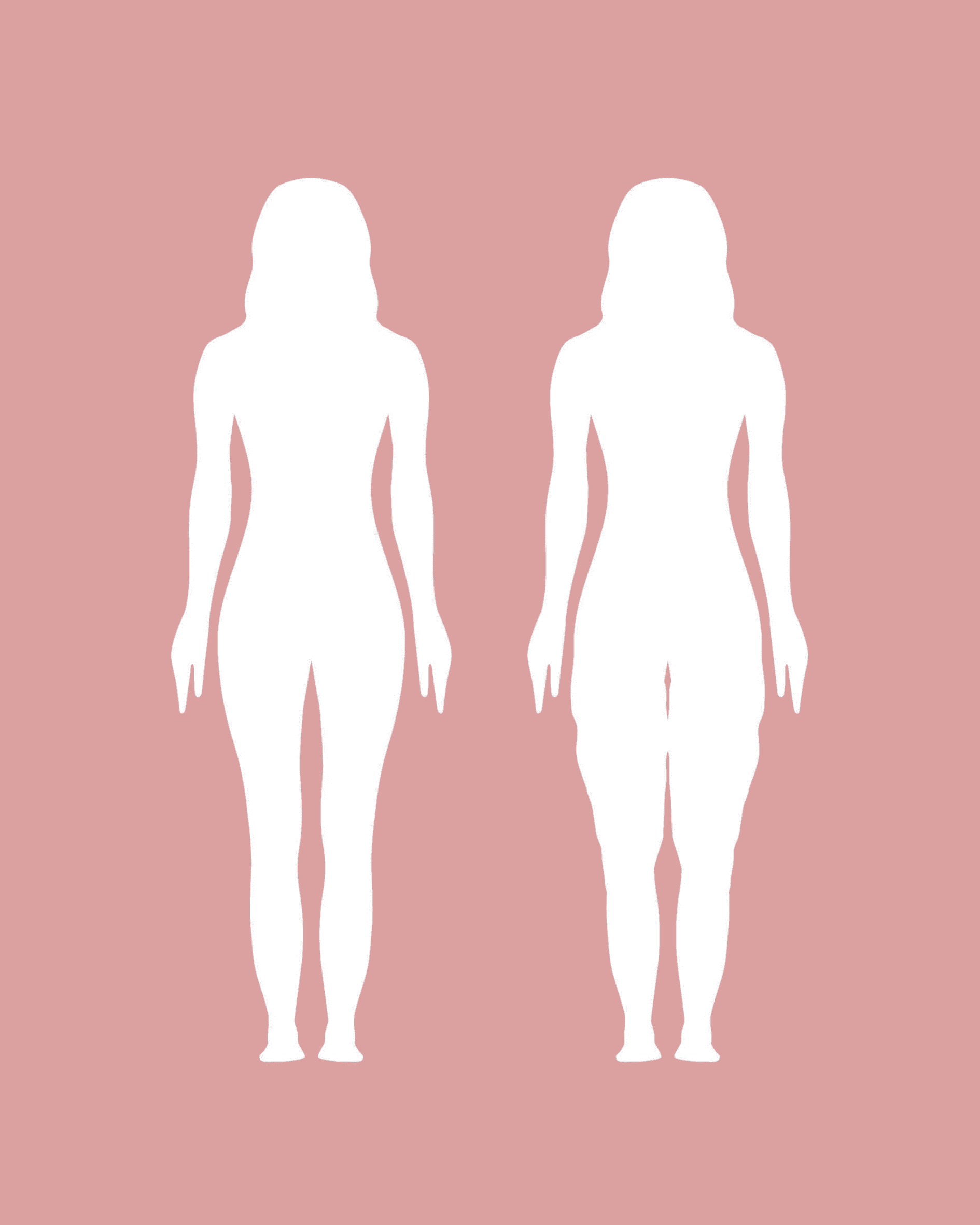
Lipedema is a chronic disorder of the subcutaneous fat tissue that predominantly affects women. It is characterized by a mostly symmetrical build-up of fatty tissue – primarily in the legs and arms.
In addition to the visible changes, typical symptoms include pain, sensitivity to pressure, feelings of tension, and easy bruising.
How does lipedema develop?
Lipedema has several possible causes. Hormonal changes (such as puberty, pregnancy, or menopause), genetic predisposition, weight fluctuations, and co-existing medical conditions can all contribute to its onset and progression.
Step 2
Typical signs of lipedema
Heaviness or tightness in your legs or arms
Tenderness to the touch
Bruising easily, without an obvious cause
A symmetrical increase in fatty tissue in the legs and/or arms
Discomfort or pain when standing or sitting for longer periods
No visible change in body proportions despite diet and exercise
Do you recognize yourself in this?
Are you noticing symptoms typical of lipedema – or recognizing these moments from everyday life?
Do your legs look disproportionate to the rest of your body?
Does your waistband fit perfectly, but the pants feel far too tight around your thighs or calves?
Is it difficult to zip up your boots or wear fitted shoes because your calves or ankles feel too swollen or thick?
Many women live with these symptoms for years without realizing they may indicate lipedema.
Step 3
The 3 stages of lipedema
Lipedema develops in three stages, each with distinct tissue changes and symptom intensity.
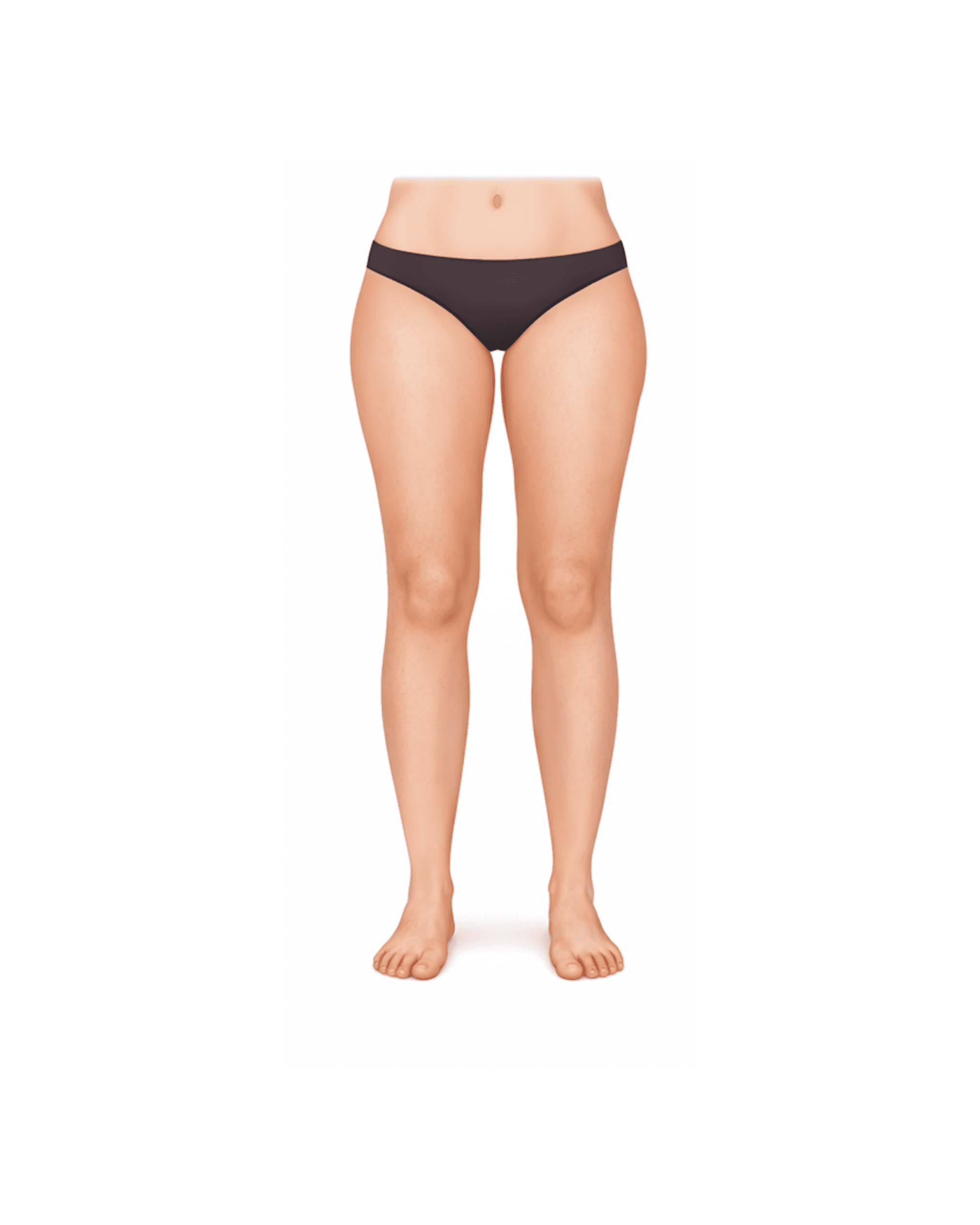
Stage 1
The surface of the skin still looks unchanged at this stage. Beneath it, however, the fatty tissue has already started to grow and may become tender to the touch - often along with a feeling of tightness or persistent discomfort.
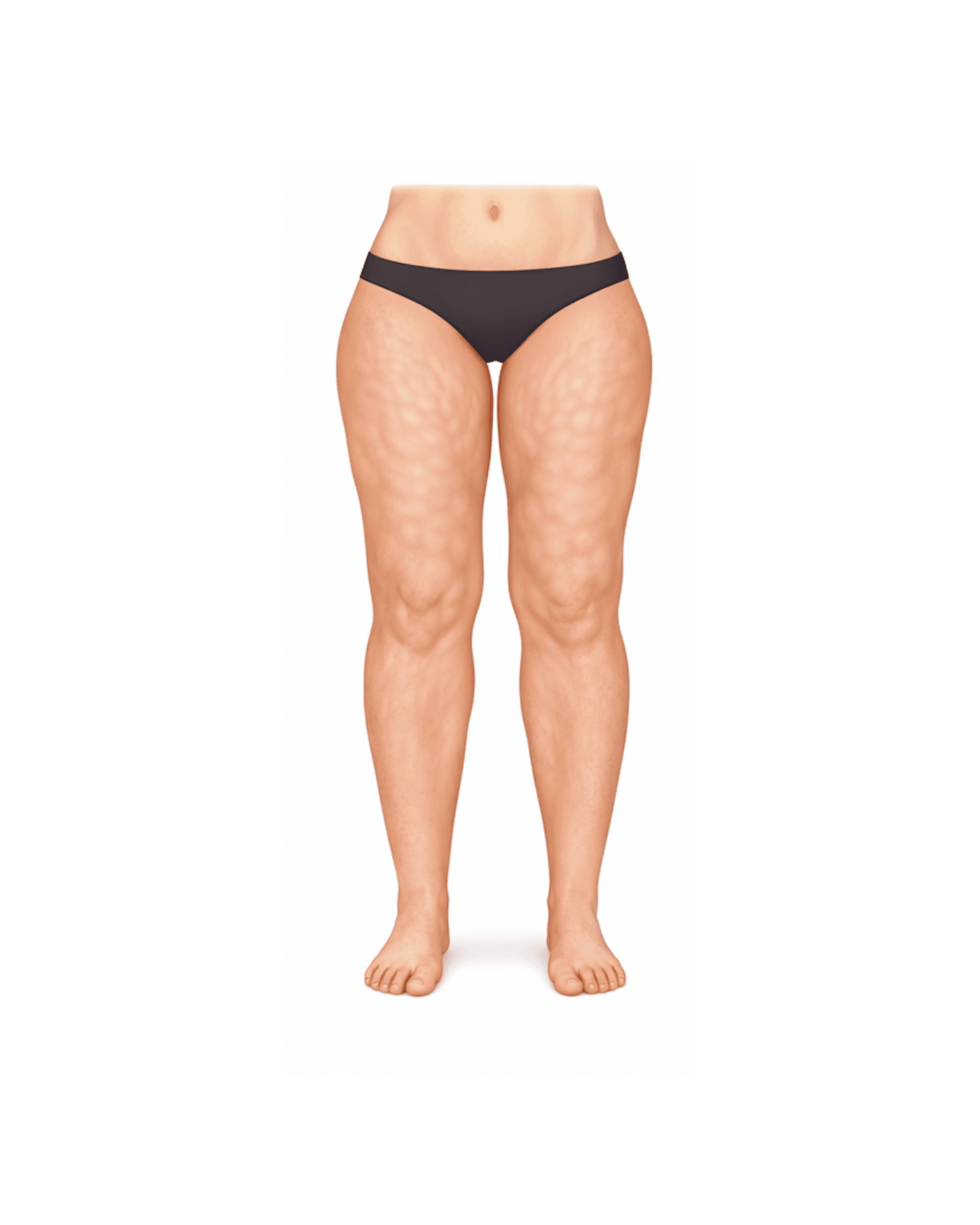
Stage 2
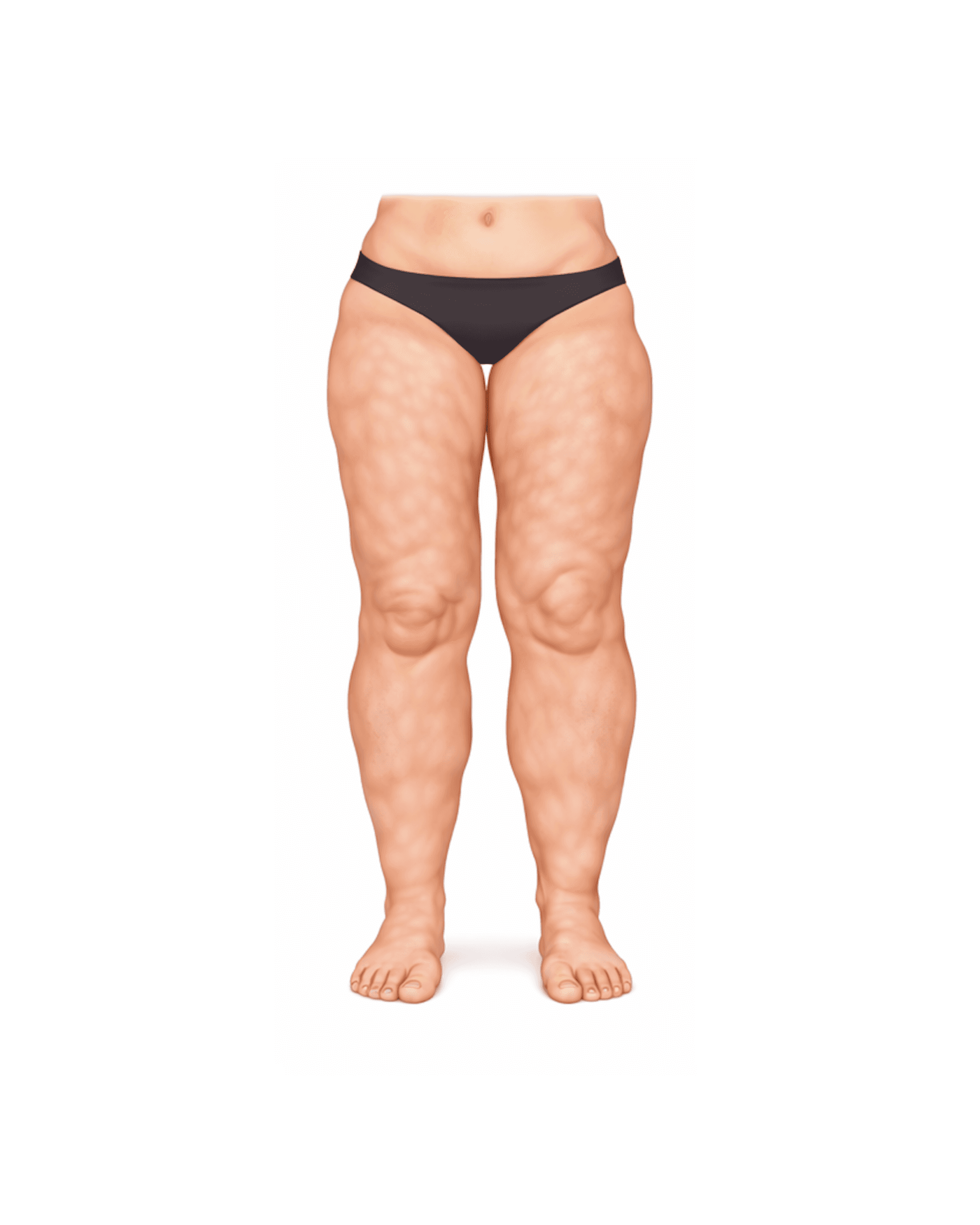
The skin develops an uneven, nodular texture. The shape of the legs typically changes: the natural contour fades, the legs become more column-like, and the area around the knees loses its definition. Pain, a strong feeling of heaviness, and tightness often intensify at this stage.
Stage 3
At this stage, the legs show a strong increase in circumference along with large, overhanging folds of skin and fatty tissue. These folds can cause friction, skin irritation, redness, and infections. Mobility is often noticeably restricted.
Step 4
How is lipedema diagnosed?
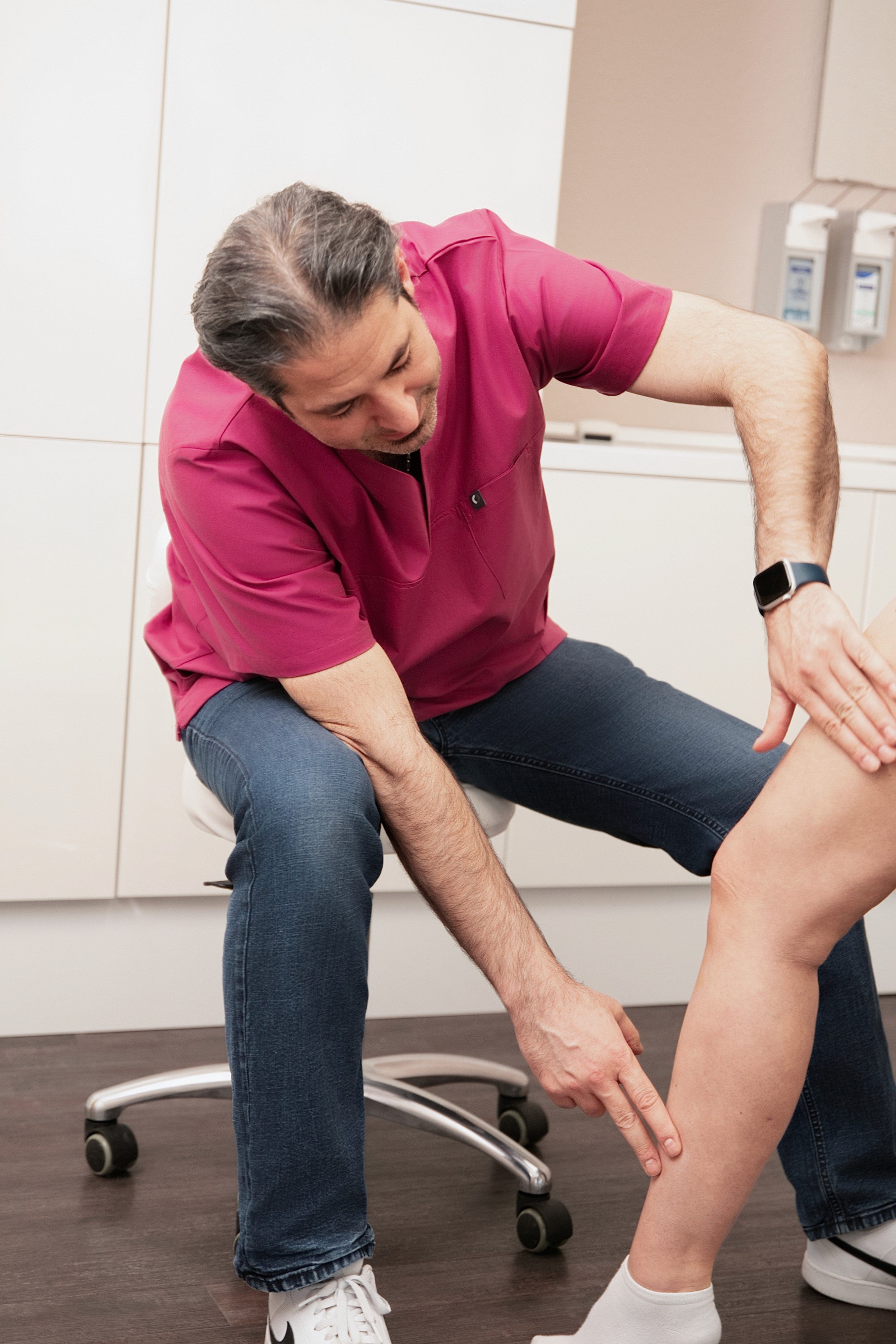
The diagnosis is primarily clinical – based on a thorough examination by an experienced doctor and a personal conversation with you in our practice. Imaging is usually not necessary. What truly matters is a trained eye and clinical experience.
At DIE LIPOPRAXIS, your diagnosis is made by Roschan D. Loghmanieh – specialist in plastic and aesthetic surgery with extensive experience in lipedema treatment. Based on your findings, we will discuss together which next steps make the most sense for you.
Step 5
Non-surgical treatment
Conservative measures often represent the first step in your treatment. Our goal is to alleviate your discomfort, make your daily life easier, and help slow the progression of the condition.
Established conservative treatments include:
Compression therapy
Targeted movement
Manual lymphatic drainage
Dietary change
Lifestyle adjustments
Many patients report a noticeable reduction in heaviness, tension, and pain.
Worth knowing
Conservative therapies can help relieve symptoms when applied consistently – but only for as long as they are regularly performed.
Based on current medical knowledge, lipedema fat tissue cannot be permanently removed through conservative measures alone.
Step 6
Treatable areas of the body
Treating multiple areas at the same time
Often, multiple areas can be treated in a single session or over consecutive appointments. This means one anesthetic, a single recovery phase, and a more balanced overall result. Together, we will plan the approach that makes the most sense for you.
Good to know
Step 7
When is surgery the right option for lipedema?
When conservative measures no longer provide sufficient relief, liposuction becomes a meaningful option. Our goal is to gently but effectively reduce lipedema fat tissue.
One thing to keep in mind
Your weight should have been stable for at least six months. Significant weight fluctuations can affect the outcome - something we will go through together in your personal consultation.
The 6 central goals of lipedema surgery:
1
To alleviate your pain
2
To help improve your mobility
3
To improve your quality of life in the long term
4
To feel comfortable in your body again
5
To regain a sense of lightness in your legs and arms
6
To dress with confidence in whatever you like
Step 8
The treatment options
At DIE LIPOPRAXIS, we offer both modern liposuction techniques – so we can choose the method that fits your individual diagnosis.
WAL
Water-jet assisted liposuction
Using a gentle, fine water jet, the fatty tissue is carefully detached and aspirated. This is a gentle approach designed to protect surrounding tissue and the lymphatic system.
PAL
Power-assisted liposuction
Using a gently vibrating cannula, the tissue is removed with precision and control – a method that combines effectiveness with gentle treatment of the body.
Step 9
Lipedema, lymphedema, or obesity – what is the difference?
These three conditions are often confused with one another – or diagnosed together. An accurate distinction matters, because each one requires a different treatment.
Lymphedema
The lymphatic drainage is disrupted, which leads to swelling – typically on one side and often affecting the feet as well. Pain is less typical here than with lipedema.
Obesity
Excess body fat, evenly distributed throughout the body. Unlike lipedema, this tissue responds to dietary changes and physical activity.
Lipedema
This is a chronic disorder characterized by a symmetrical build-up of fatty tissue in the legs and arms. Typical symptoms include pain, sensitivity to pressure, feelings of tension, and easy bruising. Lipedema fat tissue typically responds only minimally to diet or exercise.
These conditions often occur together – which is why a careful diagnosis is always the first step.
Your treatment journey
Your journey with DIE LIPOPRAXIS
From your initial consultation to your aftercare, we are here to support you every step of the way.
01
Initial consultation
Whether in person at our practice or via video call, we take the time to listen to your concerns and openly discuss the best path forward for you. For in-person appointments, we also include medical photo documentation and a detailed examination report.
02
Pre-surgery consultation
Once your surgery is scheduled, we will arrange another personal appointment at our practice. Roschan D. Loghmanieh will examine you thoroughly, answer all your questions, and prepare you step by step for the procedure.
03
Procedure
The procedure takes place in a fully equipped surgical clinic. Depending on your individual findings, we will use either the WAL or PAL technique – both methods are designed to be gentle on the surrounding tissue.
04
Aftercare
Your follow-up care is just as important to us as the surgery itself. We see every patient for a follow-up appointment after 3, 6, and 12 months – and remain available for your questions at any time in between.
References & testimonials
Real stories, meaningful changes
What our patients say after their surgery:
Are you ready to take the next step?
DIE LIPOPRAXIS is your specialized clinic for lipedema surgery, conveniently located between Neuss, Mönchengladbach, and Düsseldorf. Please feel free to schedule your personal consultation—we are here for you and will take all the time needed to answer your questions.
Frequently Asked Questions
Friedrich-Ebert-Straße 1, 41352 Korschenbroich
+49 2161 2954023
info@dielipopraxis.de
What are the potential risks of lipedema surgery?
As with any medical procedure, there are potential risks – such as minor bleeding, infection, or temporary swelling and numbness. We use modern, tissue-sparing techniques (WAL and PAL) to keep these risks as low as possible. During your personal consultation, we will go through all aspects with you in detail and answer any questions you may have.
How much does the lipedema surgery cost?
Will your health insurance cover the cost of the surgery?
How many surgeries are usually needed?
Will I have scars?
Are the incisions stitched closed?
When will you be able to return to work?
Can lipedema come back after surgery?
© Copyright
2026
DIE LIPOPRAXIS. All rights reserved.